Introduction
Essential newborn screening is a simple test done soon after birth. It checks for rare but serious health problems in babies. Early detection can help your child get the right care quickly. For new and expecting parents, understanding essential newborn screening is important. This guide explains what you need to know in clear, simple terms.
What is Essential Newborn Screening?
Essential newborn screening is a group of tests for newborn babies. These tests look for certain health conditions that may not show symptoms at birth. However, these conditions can cause problems if not treated early. The main goal is to find these issues before they harm your baby. Most hospitals do these tests within the first few days of life. The process is quick and safe for your child.
Why is Newborn Screening Important?
Newborn screening can save lives. Early detection means doctors can start treatment right away. As a result, many babies grow up healthy. Without screening, some conditions may go unnoticed until it is too late. In addition, early care can prevent serious health problems, learning delays, or even death. For parents, this test gives peace of mind. It helps ensure your baby gets the best start in life.
Common Conditions Detected
Newborn screening checks for many rare conditions. Although the exact list may vary by country or state, the most common include:
Many other rare conditions may also be included. Your hospital or clinic can provide a full list.
How the Screening is Done
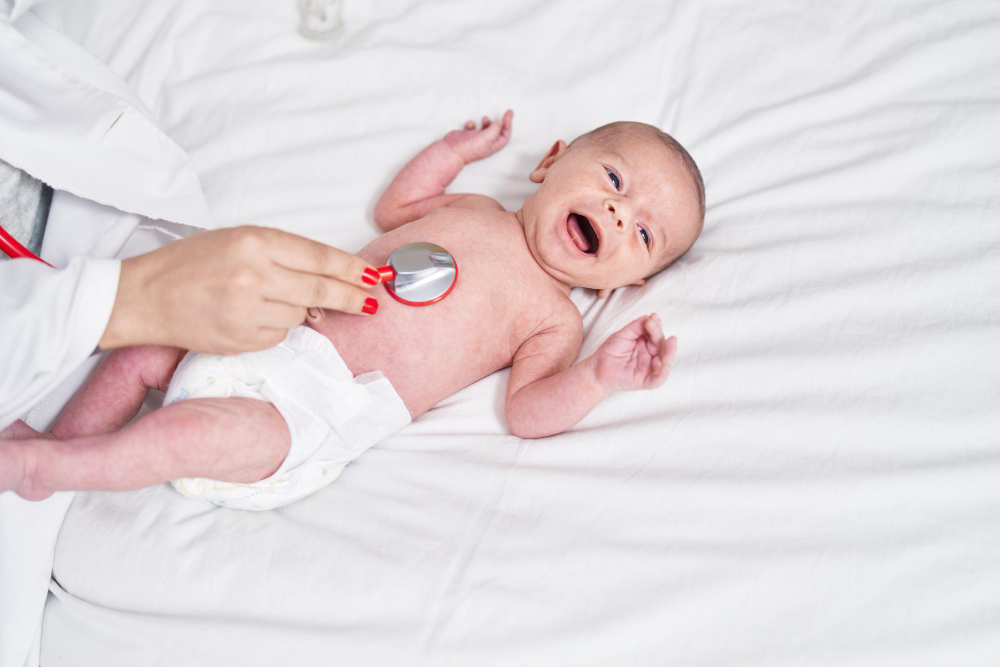
The screening is simple and quick. Usually, it happens within 24 to 48 hours after birth. Here is what you can expect:
Most babies sleep through the process. Although the heel prick may cause a brief cry, it is over quickly. Parents can hold or comfort their baby during the test.
Understanding the Results
Most newborn screening results are normal. If a result is not normal, it does not always mean your baby is sick. Sometimes, the test needs to be repeated. If a problem is found, your doctor will explain the next steps. Early treatment can help prevent serious health issues. Always ask your doctor if you have questions about the results.
Frequently Asked Questions
Prevention and Parental Guidance
While you cannot prevent most conditions found by newborn screening, you can help by:
Remember, early action can make a big difference. Stay informed and work closely with your healthcare team.
Consult your pediatrician for personalized guidance on essential newborn screening.