
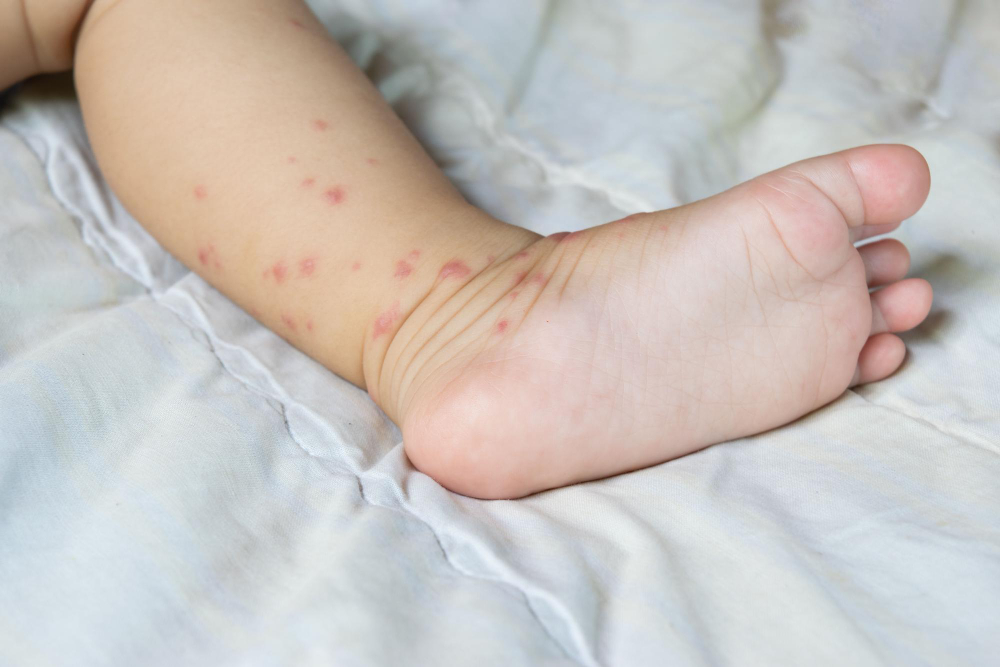
What is Hand, Foot, and Mouth Disease?
Hand, foot, and mouth disease (HFMD) is a common illness in young children. It is caused by viruses, most often coxsackievirus. Usually, it leads to a mild infection. However, it can spread quickly in places like schools and daycare centers. Parents often worry about how contagious is hand foot and mouth disease, especially when outbreaks occur.
How Contagious is Hand, Foot, and Mouth Disease?
HFMD is very contagious. In fact, it spreads easily from person to person. Children are most likely to catch it during the first week of illness. However, the virus can still spread for days or even weeks after symptoms go away. Because of this, outbreaks are common in groups of young children.
How Does Hand, Foot, and Mouth Disease Spread?
There are several ways HFMD can spread. For example, the virus can pass through:
Because children often touch their faces and mouths, the virus spreads quickly in group settings. Additionally, not washing hands after changing diapers can increase the risk.
Who is Most at Risk?
Young children under five years old are most at risk for HFMD. However, older children and adults can get it too. Outbreaks often happen in daycare centers, preschools, and playgrounds. In these places, children play close together and share items. Therefore, parents and caregivers should be extra careful during outbreaks.
Common Symptoms in Children
HFMD usually starts with mild symptoms. But soon, more signs appear. Watch for these common symptoms in children:
Sometimes, children may not want to eat or drink because of mouth pain. If you notice these symptoms, keep your child home from school or daycare.
How to Prevent the Spread of Hand, Foot, and Mouth Disease
There are simple steps to help prevent HFMD transmission. For instance, you can:
Because the virus can linger, good hygiene is important even after symptoms improve. Moreover, remind children not to share cups, utensils, or towels.
When to Seek Medical Help
Most cases of HFMD are mild and get better on their own. However, you should call your doctor if:
Early medical advice can help prevent complications.
If your child shows symptoms of hand, foot, and mouth disease, consult a pediatrician for personalized advice.