
What is ADHD in Kids?
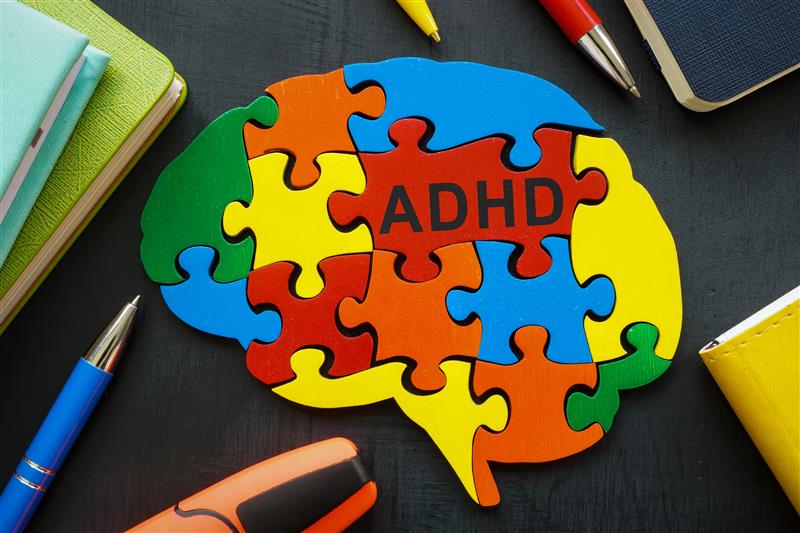
ADHD in kids stands for Attention Deficit Hyperactivity Disorder. It is a brain condition that affects how children pay attention, sit still, and control their actions. Many children with ADHD may seem restless or have trouble focusing. However, this does not mean they are lazy or undisciplined. According to the CDC, ADHD is one of the most common mental health conditions in children. Early understanding and support can help children manage their symptoms and thrive.
Common Myths About ADHD in Kids
There are many myths about ADHD in kids. These myths can make it harder for families to get the right help. Let’s look at some of the most common ones:
The Facts: What Science Says
Now, let’s separate fact from fiction. Science gives us clear answers about ADHD symptoms in children and what really causes them:
According to the CDC and WHO, early diagnosis and a mix of treatments work best for supporting kids with ADHD.
How to Support Children with ADHD
Supporting kids with ADHD takes patience and understanding. But with the right steps, children can do well at home and school. Here are some helpful tips:
When to Seek Professional Help
Sometimes, ADHD symptoms in children can make daily life very hard. If your child struggles with focus, behavior, or schoolwork, it may be time to talk to a doctor. Early help can make a big difference. A pediatric specialist can check for ADHD and suggest the best ways to support your child. Remember, you are not alone. Many families face similar challenges, and help is available.
If you suspect your child may have ADHD, consult a pediatric specialist for personalized guidance.