Introduction
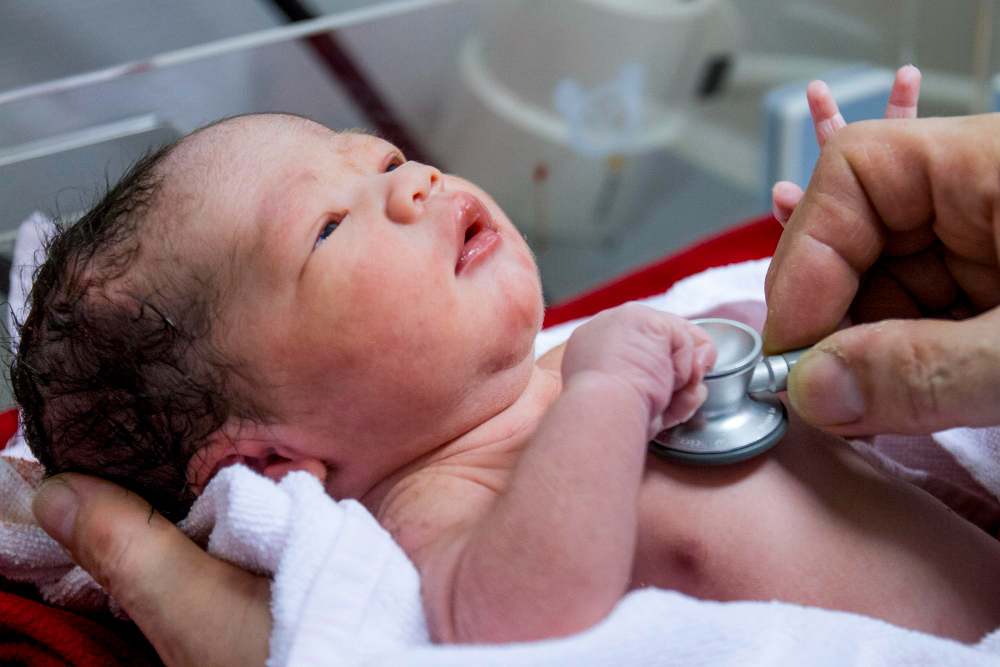
Infections in newborns are illnesses caused by germs like bacteria, viruses, or fungi. These infections can happen soon after birth or within the first month of life. Because newborns have weak immune systems, they are more likely to get sick. Early care is important since some infections can become serious quickly. For this reason, parents and caregivers should know the signs of infection in babies. Understanding how to prevent and treat newborn infections helps keep babies safe and healthy.
Common Symptoms of Infections in Newborns
Newborn infections may show different signs. However, some symptoms are more common and easy to spot. Since babies cannot talk, parents should watch for these changes. Early action can help prevent serious problems.
Sometimes, a baby may have only one or two of these signs. Even so, it is important to seek medical help right away if you notice any of them.
Main Causes and Risk Factors
Newborn infections can come from many sources. For example, some germs pass from the mother to the baby during birth. Others may come from the environment or from people who handle the baby. Knowing the main causes helps parents lower the risk.
Several risk factors make infections in newborns more likely. For instance, babies born early (premature) or with low birth weight face higher risks. If the mother had an infection during pregnancy, this can also increase the baby’s risk. Additionally, a long or difficult labor may raise the chance of infection. Babies who stay in the hospital for a long time are also at greater risk.
How Infections in Newborns Are Diagnosed
Doctors use several steps to find out if a newborn has an infection. First, they check the baby’s symptoms and medical history. Next, they may order tests to look for germs. Early diagnosis is very important, because quick treatment can save lives.
Because newborns can get sick quickly, doctors often start treatment while waiting for test results. This approach helps protect the baby from serious harm.
Treatment Options for Newborn Infections
Treatment for newborn infections depends on the type of germ and how sick the baby is. However, doctors usually start with medicines that fight bacteria or viruses. Early treatment improves the chances of recovery.
Sometimes, babies need to stay in the hospital for close monitoring. In many cases, doctors adjust treatment as test results become available. This helps make sure the baby gets the right care.
Prevention Tips for Parents and Caregivers
Preventing infections in newborns is possible with a few simple steps. Because babies are vulnerable, everyone who cares for them should follow these tips. Good habits can lower the risk of illness.
In addition, mothers should get regular prenatal care. This helps spot and treat infections before the baby is born.
Lifestyle and Home Care Guidance
After leaving the hospital, parents can take steps at home to keep their newborn healthy. Even small changes in daily habits can make a big difference. For example, always use clean bottles and pacifiers. Change diapers often and clean the baby’s skin gently. If the baby shows any signs of infection, contact a doctor right away. Moreover, keep the baby’s sleeping area free from smoke and strong scents. With these simple actions, parents can help protect their newborn from infections.