
Measles in children is a serious illness caused by a virus. It spreads easily from person to person, especially among kids. Early signs can look like a cold, but measles can lead to more severe problems. Because of this, knowing the measles symptoms in kids and understanding the measles vaccine benefits is very important. Parents often ask how to protect children from measles. Childhood immunization is the best way to keep your child safe.
What Is Measles in Children?
Measles is a viral infection that mostly affects children. It causes a rash, fever, and other symptoms. Children can get measles if they are not vaccinated. The virus spreads through the air when someone coughs or sneezes. Even being in the same room as someone with measles can lead to infection. Because measles is so contagious, outbreaks can happen quickly in schools or daycares.
Symptoms of Measles in Children
At first, measles symptoms in kids may seem mild. However, they often get worse over a few days. Early symptoms include:
After a few days, a red rash appears. The rash usually starts on the face and spreads down the body. Sometimes, small white spots appear inside the mouth. These are called Koplik spots. Parents should watch for these warning signs:
If you see any of these signs, seek medical help right away.
Causes and Risk Factors
Measles is caused by a virus. Children catch it when they breathe in droplets from an infected person. For example, if a child with measles coughs, the virus can stay in the air for up to two hours. Unvaccinated children are at the highest risk. In addition, outbreaks can happen in communities where many people are not vaccinated. Traveling to areas with measles outbreaks also increases risk.
Diagnosis of Measles in Children
Doctors diagnose measles by looking at the rash and other symptoms. Sometimes, they take a blood sample or a swab from the nose or throat. This helps confirm the diagnosis. If your child has a high fever, rash, or other warning signs, contact your doctor. Early diagnosis can prevent the spread to others. Always tell your doctor if your child has been near someone with measles.
Treatment and Home Care
There is no cure for measles, but doctors can help manage the symptoms. Most children recover with rest and care at home. Standard treatments include:
Keep your child away from others to stop the spread. Watch for signs of complications, such as trouble breathing or ear pain. If you notice these, call your doctor right away.
The Importance of Measles Vaccination
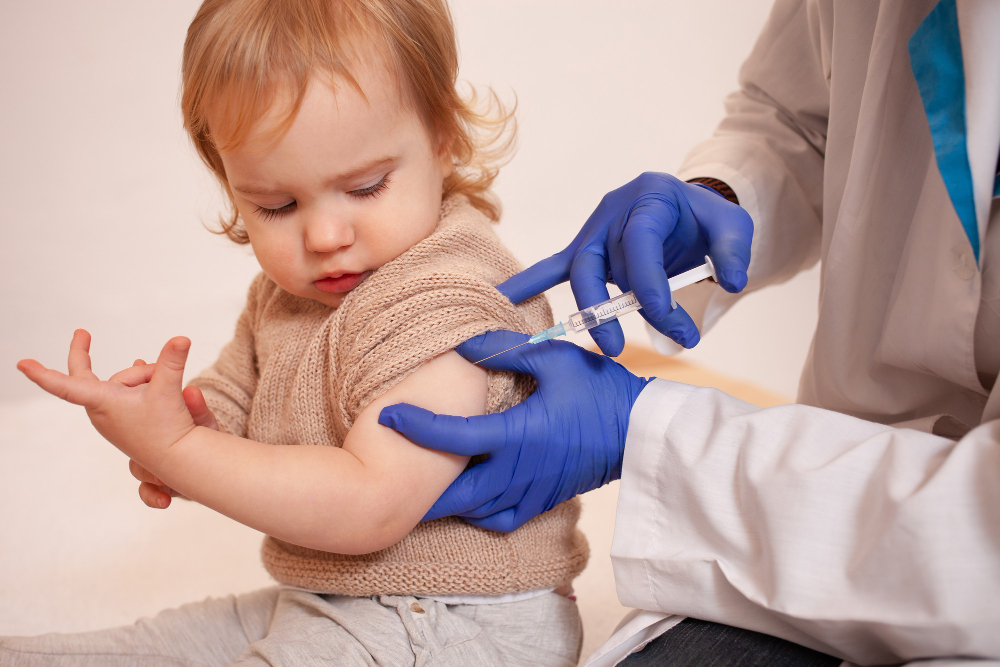
The measles vaccine is the best way to protect children. It is given as part of the MMR vaccine, which also guards against mumps and rubella. The vaccine teaches the body to fight the virus. Because of this, most children who get the vaccine will not get measles. The vaccine is very safe and has been used for many years. Most children get two doses, one at 12-15 months and another at 4-6 years.
Some parents worry about vaccine safety. However, studies show that serious side effects are very rare. The benefits of vaccination far outweigh the risks. Myths about vaccines causing autism or other problems have been proven false by many scientific studies. The CDC and WHO recommend the measles vaccine for all children.
Preventing Measles in Children
There are several ways to protect your child from measles. Vaccination is the most important step. In addition, you can:
If there is a measles outbreak in your area, follow public health advice. Sometimes, children may need an extra vaccine dose during an outbreak. Always talk to your doctor if you have questions about your child’s health or vaccines.