
Introduction
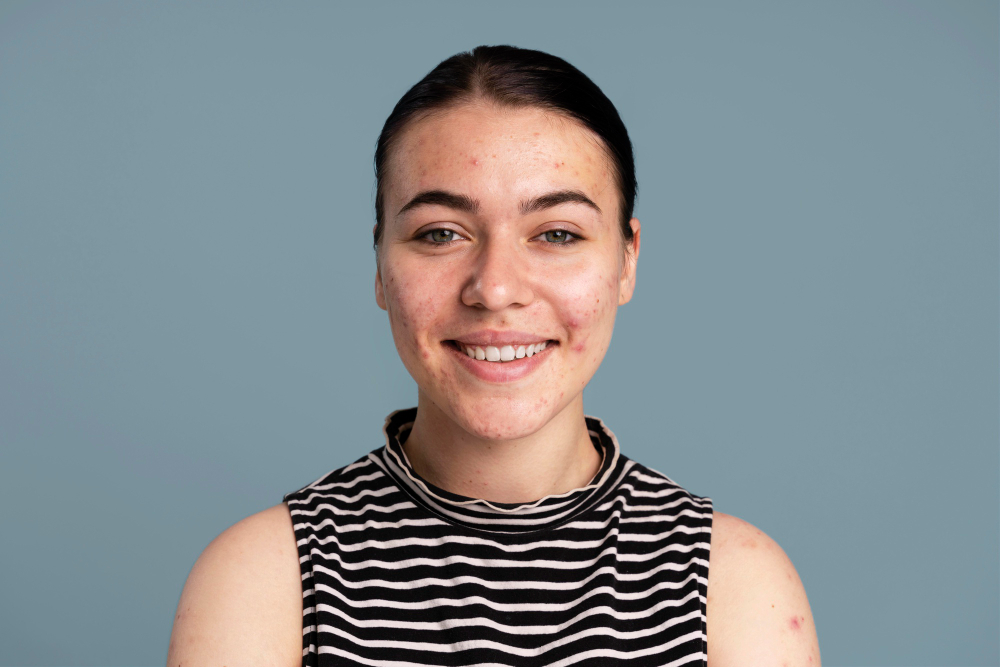
Acne vulgaris, often called pimples, is very common in teenagers. Many teenagers in cities and towns around the world face this skin problem. Understanding the major symptoms of acne vulgaris in teenagers can help with early care. Early action may also prevent scars and boost confidence. In this blog, you will learn how to spot the signs of acne and what steps to take next.
What is Acne Vulgaris?
Acne vulgaris is a skin condition that causes pimples, blackheads, and whiteheads. It happens when hair follicles get clogged with oil and dead skin cells. As a result, small bumps or spots appear on the skin. Most often, acne shows up on the face, chest, back, and shoulders. According to the World Health Organization (WHO), acne is one of the most common skin issues among teenagers.
Why Teenagers Are Prone to Acne
Teenagers are more likely to get acne for several reasons. During puberty, the body makes more hormones. These hormones cause the skin to produce extra oil. Because of this, pores can get blocked more easily. In addition, stress, diet, and family history can play a role. For example, teenagers who eat a lot of oily foods may notice more pimples. Also, using oily skin products can make acne worse.
Major Symptoms of Acne Vulgaris in Teenagers
It is important to know the main signs of acne vulgaris. Early spotting helps with better care. Here are the major symptoms to look for:
Sometimes, acne can also cause skin redness, swelling, or dark spots after pimples heal. Many teenagers notice these symptoms on their face, but they can also appear on the back or chest.
When to See a Doctor
Most mild acne can be managed at home. However, some signs mean you should see a doctor or dermatologist. For example, seek help if:
Early treatment can prevent scars and boost confidence. In many cases, a doctor can suggest safe and effective treatments.
Tips for Managing Symptoms
There are simple steps teenagers can take to manage acne symptoms. While these tips may not cure acne, they can help reduce breakouts:
Remember, results take time. If symptoms do not improve, it is best to talk to a healthcare provider.
Conclusion
Acne vulgaris is common in teenagers, but knowing the major symptoms helps with early care. With the right steps, most teenagers can manage their acne well. If you notice severe or lasting symptoms, consult a pediatrician or dermatologist for personalized advice on acne symptoms.