
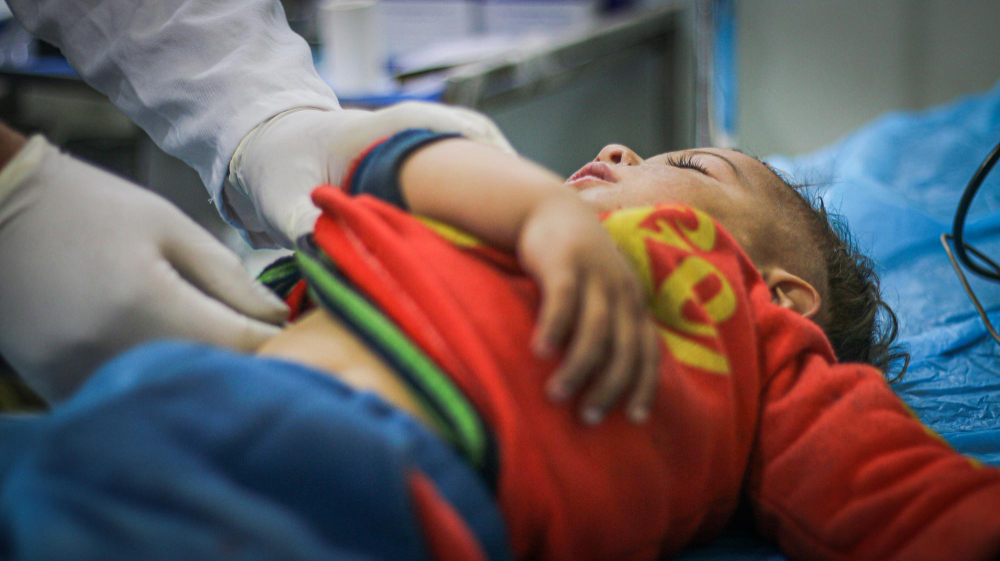
What Is Pediatric Epilepsy?
Pediatric epilepsy is a brain condition that causes children to have repeated seizures. Seizures are sudden changes in behavior, movement, or feelings. These happen because of unusual electrical activity in the brain. Although epilepsy can affect anyone, it often begins in childhood. Early recognition of the signs of pediatric epilepsy can help children get the care they need. According to the World Health Organization (WHO), epilepsy affects nearly 50 million people worldwide, and many are children.
Common Signs and Symptoms of Pediatric Epilepsy
Recognizing epilepsy in children is important. Not all seizures look the same. Some are easy to spot, while others are subtle. Here are some common pediatric seizure symptoms:
Sometimes, children may seem daydreamy or unresponsive. In addition, they might not remember what happened during the episode. If you notice these signs of pediatric epilepsy, it is important to watch for patterns and keep notes.
How to Respond to a Seizure in Children
Knowing how to help a child during a seizure can keep them safe. While most seizures end on their own, parents and caregivers should follow epilepsy first aid for parents:
After the seizure, comfort the child. They may feel tired or confused. If this is their first seizure, seek medical help right away.
When to Seek Medical Help
Sometimes, seizures need urgent care. You should call for medical help if:
Even if the seizure seems mild, it is wise to talk to a doctor. Early diagnosis helps manage pediatric epilepsy better.
Tips for Supporting a Child with Epilepsy
Living with epilepsy can be challenging for children and families. However, there are ways to help your child feel safe and supported:
With the right support, children with epilepsy can lead active, happy lives.
Prevention and Safety Measures
While you cannot always prevent epilepsy, you can reduce risks and keep your child safe. For example, make your home safe by padding sharp corners and using safety gates. In addition, help your child avoid known seizure triggers, such as lack of sleep or flashing lights. Always follow the treatment plan and attend regular doctor visits. The Centers for Disease Control and Prevention (CDC) recommends teaching family members about seizure first aid. This way, everyone can respond quickly if needed.
If you notice signs of pediatric epilepsy, consult a pediatric specialist for personalized guidance.